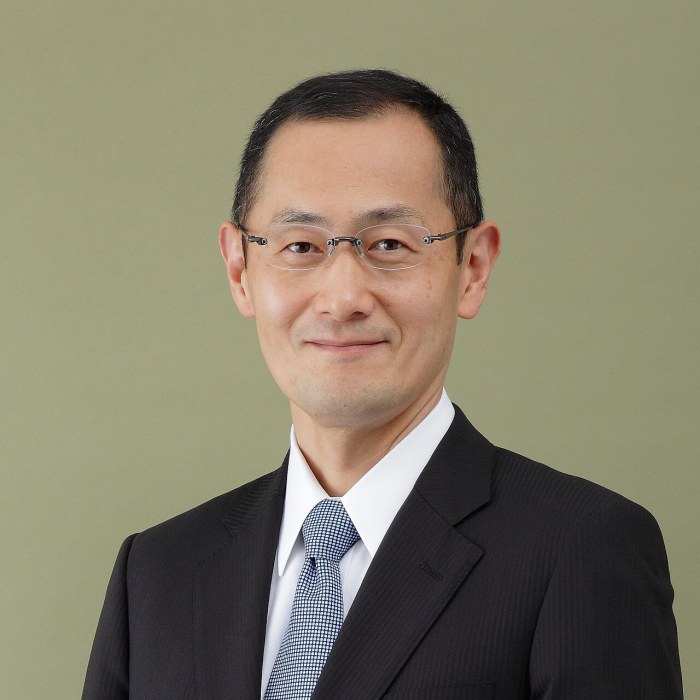
Shinya Yamanaka
A surgeon so slow his colleagues called him "the obstacle" found a way to turn back the clock on cells
Shinya Yamanaka was born in 1962 in Osaka, where his father ran a small factory making sewing machine parts. Injuries from judo and rugby drew him to orthopaedic surgery. He was not good at it. An operation that took a skilled surgeon 20 minutes took him two hours, and a senior colleague nicknamed him "Jamanaka", a pun on the Japanese word for obstacle. After two years he gave up.
He turned to research, took a doctorate in pharmacology and went to San Francisco to work on genetically modified mice. He loved it. Returning to Japan in 1996, he found himself in a poorly equipped lab where he was expected to clean mouse cages himself and nobody was interested in his ideas. He sank into what he has called post-America depression and was on the point of leaving science for a clinic.
A junior post at a small institute in Nara gave him a lab of his own and one question worth asking: could a fully developed adult cell be persuaded to return to the flexible embryonic state from which all tissues grow? Most biologists thought the process ran one way only. Starting from 24 candidate genes, he and his student Kazutoshi Takahashi narrowed the list to four. In 2006 they announced that these four factors turned adult mouse skin cells into stem cells. Human cells followed in 2007.
The result removed the need for embryos in stem cell research and opened the way to growing tissue from a patient's own cells. He shared the Nobel Prize in 2012, and runs marathons to raise money for his institute.