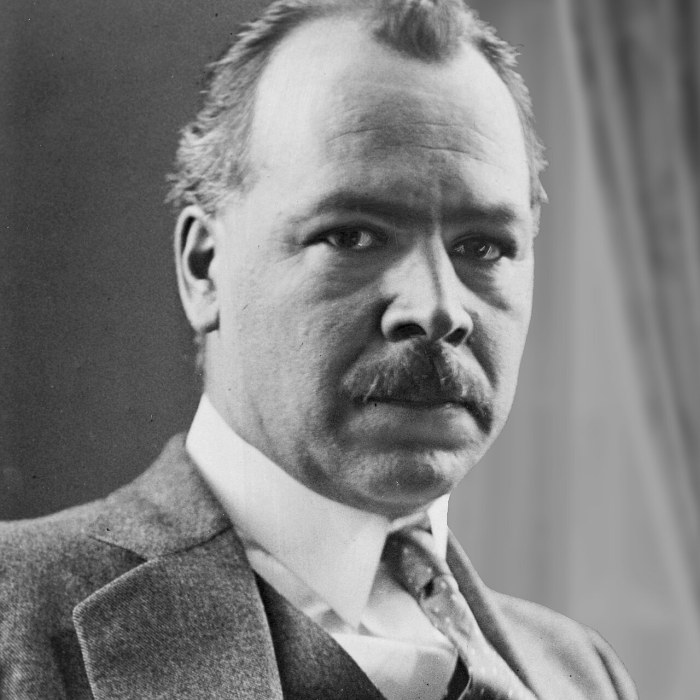
Nikolai Vavilov
Built the world's largest seed bank to end famine and was starved to death in a Soviet prison
Nikolai Vavilov was born in Moscow in 1887, the son of a merchant who had grown up in a village where crop failures meant hunger. He trained in agriculture, spent a year in England with the geneticist William Bateson, and returned to a country that would suffer famine after famine. His purpose became simple: to use the new science of genetics to breed crops that would not fail.
To do that he needed the raw material, the thousands of varieties that farmers had developed over millennia. From 1916 he led expeditions to 64 countries, from Afghanistan and Ethiopia to the Andes, often on foot or horseback, gathering seeds. He worked out that each crop had a centre of origin where its wild relatives and greatest diversity were found, an idea still used today. By the 1930s his institute in Leningrad held the largest collection of plant genetic material in the world.
His downfall was Trofim Lysenko, a self-taught agronomist who rejected genetics as bourgeois and promised Stalin quick results. Vavilov defended real science in public, knowing what it would cost. In August 1940, while collecting plants in western Ukraine, he was arrested. He was interrogated hundreds of times and sentenced to death, later commuted. He died of starvation in a prison in Saratov in January 1943.
In besieged Leningrad his colleagues guarded the seed bank through the winter of 1941. Several starved to death at their desks surrounded by edible grain, refusing to eat a collection they believed would feed the future.