Alice Ball
At 23 she found the first effective treatment for leprosy; at 24 she was dead and her boss took the credit
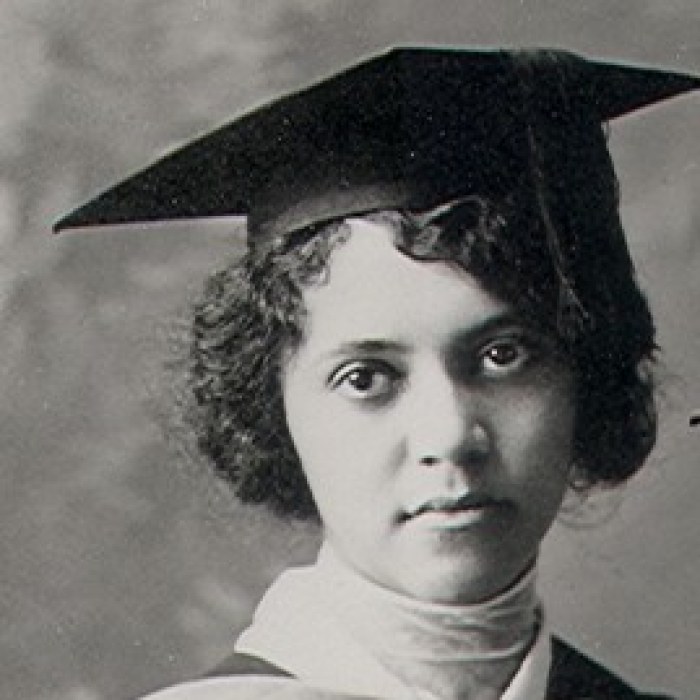
Alice Ball was born in Seattle in 1892. Her grandfather had been one of the first Black photographers in the United States, and the family was comfortable and educated. She took two degrees at the University of Washington, in pharmaceutical chemistry and pharmacy, and co-authored a paper in a leading chemistry journal while still an undergraduate.
In 1915, at 23, she became the first woman and the first African American to earn a master's degree from the College of Hawaii, and was hired as its first female chemistry instructor. Her thesis on the chemistry of the kava plant caught the attention of Harry Hollmann, a doctor at the hospital that treated leprosy patients before they were exiled to the settlement on Molokai.
The only known treatment was oil from the seeds of the chaulmoogra tree. Swallowed, it made patients vomit; injected, it was too thick to absorb and left painful lumps. Hollmann asked Ball to look at it. Within a year she had worked out how to separate the oil's active components and convert them into a water-soluble form that could be injected safely. Patients treated with it improved, and some were discharged.
She never published the method. In late 1916 she fell ill, possibly from chlorine gas during a teaching demonstration, and died on New Year's Eve aged 24. The college president, Arthur Dean, continued her work and published it under his own name. Hollmann set the record straight in a 1922 paper, but she was largely forgotten until the university placed a plaque beneath its chaulmoogra tree in 2000.