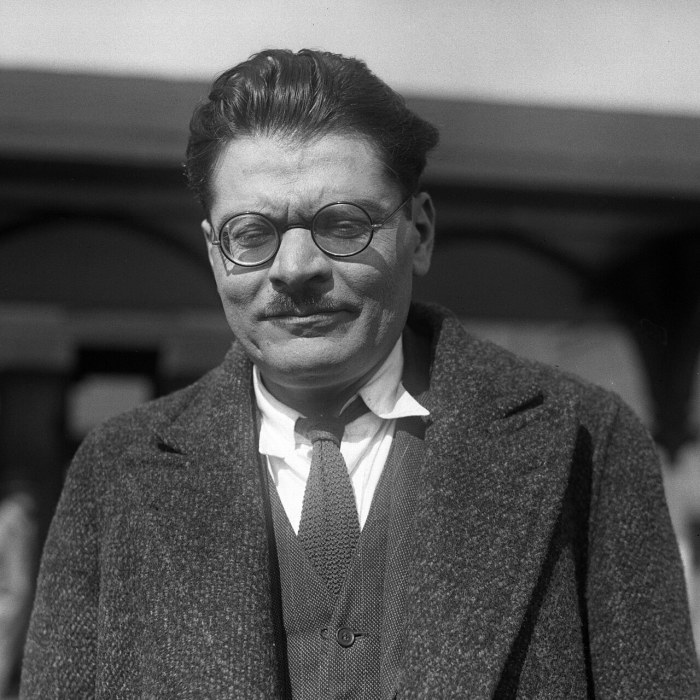
José Clemente Orozco
Lost a hand and an eye in a childhood accident, he went on to paint Mexico's harshest murals
Jose Clemente Orozco grew up in Guadalajara and Mexico City and showed an early interest in drawing, spending time as a boy watching the engraver Jose Guadalupe Posada work in a shop window. As a teenager, while experimenting with chemicals to make fireworks, an explosion cost him his left hand and the sight in one eye, an injury that would have ended many artistic ambitions before they began.
He trained instead in agriculture and architecture before committing fully to painting, and taught himself to work effectively with one hand. He came of age as an artist during the Mexican Revolution, whose violence and betrayals he witnessed directly rather than from a comfortable distance, and this shaped a body of mural work far less celebratory of the revolution's promises than that of contemporaries like Diego Rivera.
Alongside Rivera and David Alfaro Siqueiros, he became one of "the three greats" of Mexican muralism, working in fresco on public buildings to bring art to audiences who would never enter a gallery. His murals for the Escuela Nacional Preparatoria and later, during a period working in the United States, for Dartmouth College's library, depicted suffering, exploitation and the costs of ideology with unusual bluntness for the genre.
Orozco continued painting large-scale public murals in Mexico until his death in 1949, remaining the most unsparing of the great Mexican muralists.