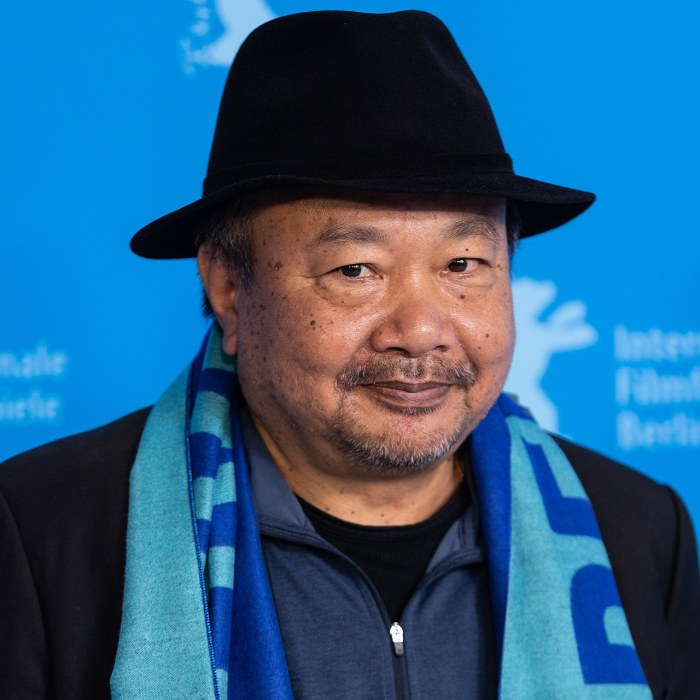
Rithy Panh
Survived the Khmer Rouge camps as a child and spent his career filming Cambodia's buried memory
Rithy Panh was thirteen when the Khmer Rouge emptied Phnom Penh in 1975 and sent his family to a labour camp in the countryside. Over the following years he watched his parents, siblings and other relatives die of starvation, exhaustion and disease, or be taken away and killed, the fate of roughly a quarter of Cambodia's population under the regime.
In 1979, after Vietnamese forces toppled the Khmer Rouge, he escaped across the border into Thailand and eventually reached France as a refugee, still a teenager with almost no surviving family. He trained in filmmaking at the well-regarded French film school IDHEC, and turned his camera back toward the country and history he had escaped.
His documentaries, including S21: The Khmer Rouge Killing Machine, brought former guards and survivors of the Tuol Sleng prison face to face on camera, forcing perpetrators to reenact and account for what they had done. For The Missing Picture, unable to find film footage of his own family's suffering, he reconstructed his childhood using hand-carved clay figurines set against archival material, a method that won the film an Academy Award nomination for best foreign language film in 2014.
Panh has continued making documentaries and fiction films examining memory, atrocity and survival, and has also worked to preserve Cambodia's film archives, much of which was destroyed under the Khmer Rouge.