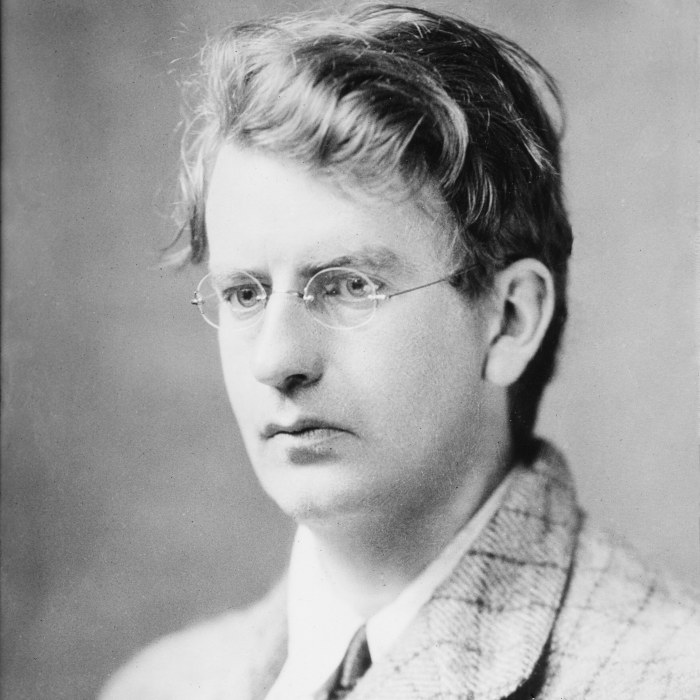
John Logie Baird
Built the first working television out of a hatbox, a biscuit tin and darning needles
John Logie Baird was a minister's son from Helensburgh who was ill for much of his life. He studied electrical engineering in Glasgow but the First World War interrupted his degree and the army rejected him as unfit. He worked for an electricity company, then tried selling medicated socks, then jam and mango chutney in Trinidad, then soap. Each venture failed or made him ill.
In 1923, recovering in Hastings, he returned to an idea he had played with as a student: sending moving pictures by wireless. He had almost no money. His first apparatus used a hatbox, a tea chest, a biscuit tin, bicycle lamp lenses, darning needles, sealing wax and an electric motor. In 1924 he gave himself a shock of a thousand volts and was asked to leave his workshop. In October 1925, in an attic in Soho, he transmitted the first recognisable moving image of a face, a ventriloquist's dummy, then ran downstairs and fetched an office boy to be the first person televised.
In January 1926 he demonstrated the system to members of the Royal Institution. Over the next few years he sent pictures from London to Glasgow, then across the Atlantic, and demonstrated colour television in 1928.
His mechanical system was overtaken by electronic television, and in 1937 the BBC dropped it. He kept working on colour and high-definition systems in a private laboratory until his death in 1946.