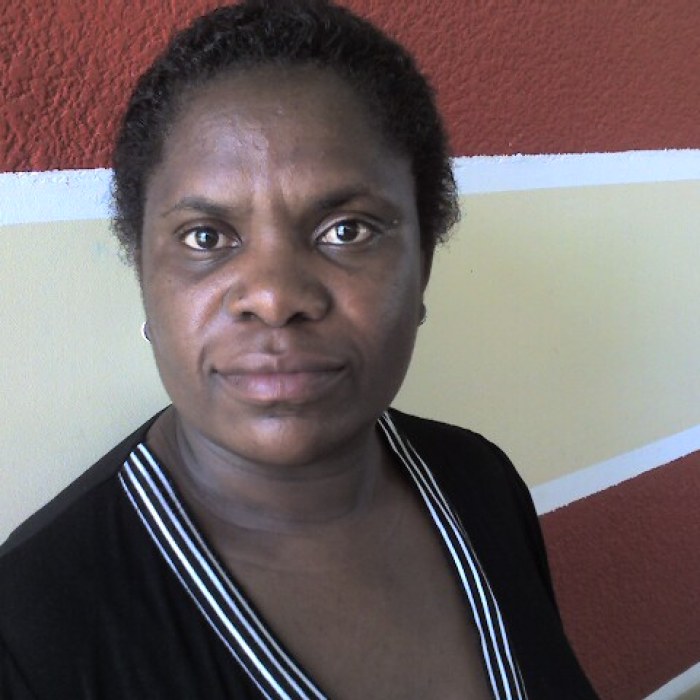
Betty Makoni
Survived the abuse she later built a network of shelters to stop happening to others
Betty Makoni was born in Rusape, Zimbabwe, and lost her mother to domestic violence as a child; she was later sexually abused herself, an experience she has spoken about publicly to challenge the silence that surrounds it. She trained as a teacher and worked in schools where she kept encountering girls suffering the same abuse she had survived, often justified locally by a belief that sex with a virgin could cure HIV, a myth that put young girls at direct risk of assault.
In 1999 she founded the Girl Child Network, starting with clubs where girls could speak about abuse and receive support, and expanding into "safe villages": residential shelters where girls fleeing violence, forced marriage or trafficking could live, be schooled and receive counselling away from their abusers. The network grew to run three such villages and hundreds of girls' clubs with tens of thousands of members across Zimbabwe, and was later replicated in other African countries, the United States and Europe.
Her work has drawn threats in Zimbabwe severe enough that she has spent periods living abroad while continuing to run the organisation remotely. She was the subject of the documentary Tapestries of Hope and received the World's Children's Prize in 2007 for what judges called decades spent turning her own worst experience into other girls' way out.