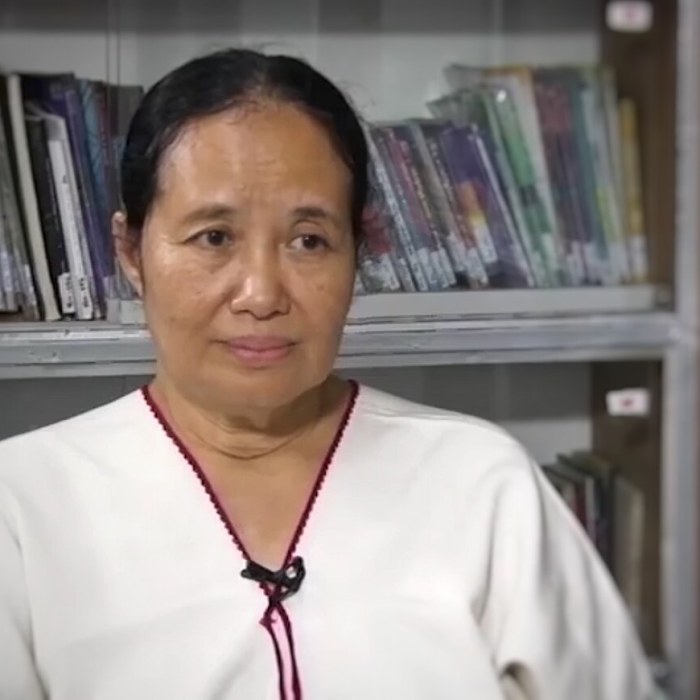
Cynthia Maung
Fled Burma through the jungle in 1988 and opened a clinic in a barn that now sees 100,000 patients a year
Cynthia Maung was born in 1959 in Moulmein in southern Burma, one of eight children of a Karen family, and qualified as a doctor in Rangoon in the mid-1980s. She was working in a village clinic when the uprising of 1988 broke out. When the army crushed it in September, killing thousands, she and a group of students walked for a week through the jungle to the Thai border.
She arrived in Mae Sot with nothing much beyond her training and found thousands of others in the same state, many sick with malaria, dysentery and untreated wounds, and no one to treat them. In February 1989 she set up a clinic in a dilapidated wooden building, with donated instruments that she boiled in a rice cooker and drugs begged from local hospitals. She expected it to be temporary. It has been open ever since.
The Mae Tao Clinic grew into a compound that handles something over a hundred thousand visits a year, delivering babies, treating landmine injuries and running a prosthetics workshop, all free, for migrant workers and displaced people from across the border. Just as important, it trains health workers who go back into eastern Burma to run backpack clinics in areas the government does not reach, and it issues birth records so that children born in exile exist on paper.
Dr Cynthia, as she is known, was for years stateless herself, unable to travel. She received the Magsaysay Award in 2002 and the Sydney Peace Prize in 2013.