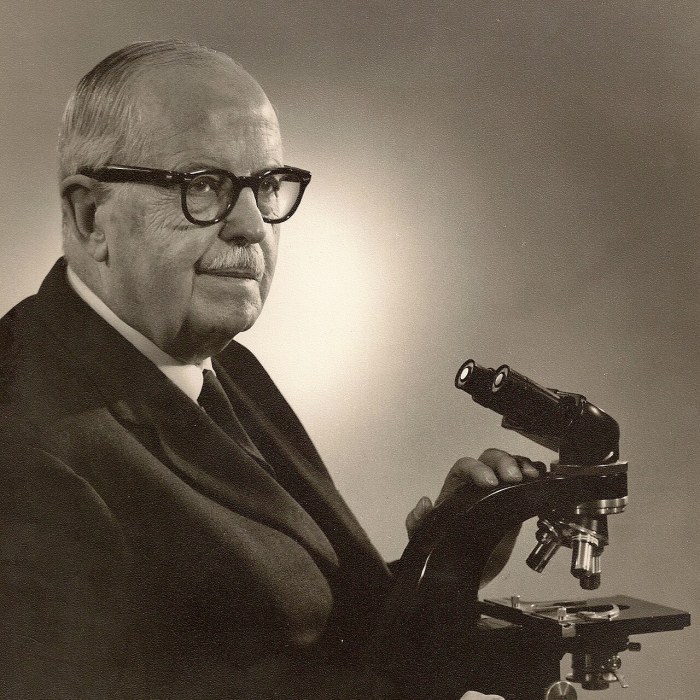
Bernardo Houssay
Sacked for demanding democracy, he won Latin America's first science Nobel from a borrowed laboratory
Bernardo Houssay was born in Buenos Aires in 1887 to French immigrant parents. He was an alarming child prodigy: he entered the school of pharmacy at 14, qualified at 17 and was a doctor of medicine at 23, by which time he was already teaching physiology. He seems to have had almost no life outside the laboratory, and did not want one.
In 1919 he became professor of physiology at the University of Buenos Aires and set about building an institute in a country that had little tradition of experimental science. His own subject was the pituitary gland, the small body at the base of the brain, and over two decades he showed how its hormones govern the way the body handles sugar. Remove the pituitary from a diabetic animal and the diabetes eased; inject pituitary extract and it worsened. This was the first clear evidence that diabetes involved more than the pancreas alone.
In 1943 he signed a public letter with other academics calling for the restoration of constitutional government. The military regime dismissed him. Friends and former students raised money for a private institute where he could keep working, and he was there in 1947 when the Nobel Prize in Physiology or Medicine was announced, the first ever awarded to a Latin American scientist. Under Perón he was pushed out of the university again.
He returned after 1955, founded Argentina's national research council in 1958, and died in 1971.