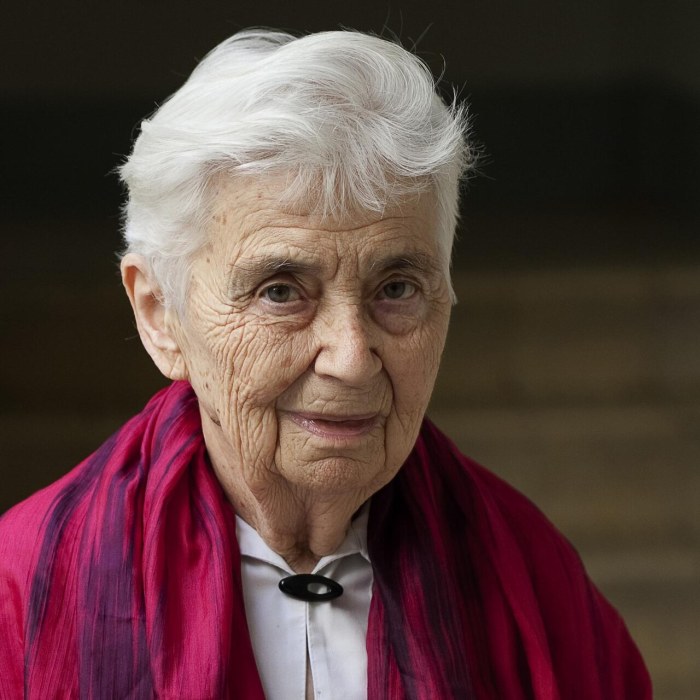
Ruth Pfau
Stranded in Karachi on her way somewhere else, she stayed 57 years and beat leprosy in Pakistan
Ruth Pfau grew up in Leipzig, lived through the bombing of the city as a teenager and fled East Germany for the West in the late 1940s. She studied medicine, converted to Catholicism and joined a French religious order, the Daughters of the Heart of Mary, which in 1960 sent her to a post in southern India.
She never got there. Visa trouble left her stuck in Karachi, and while waiting she was taken to see a leprosy colony behind the city's railway station, where patients lived in shacks among rubbish and were treated by no one. The disease was curable, but the people who had it were untouchable. She decided to stay.
She began in a hut with a handful of helpers, and built the Marie Adelaide Leprosy Centre from it. The work was slow and unshowy: finding patients whose families hid them, training local men and women as leprosy technicians when doctors would not come, and setting up clinics across the country, including in the tribal areas along the Afghan border, where she travelled on foot and by donkey.
By the 1990s leprosy had been driven back to the point where, in 1996, the World Health Organization declared it under control in Pakistan, one of the first countries in Asia to reach that mark. Pfau took Pakistani citizenship in 1988, turned to tuberculosis and blindness, and helped after floods and earthquakes. When she died in Karachi in 2017 she was given a state funeral.