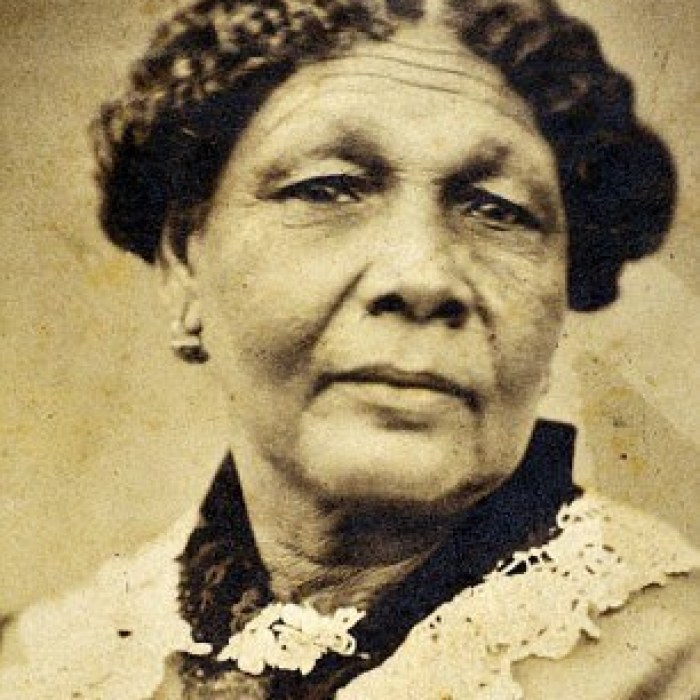
Mary Seacole
Refused by the War Office, she paid her own way to the Crimea and nursed soldiers under fire
Mary Jane Grant was born in Kingston, Jamaica, to a Scottish soldier and a free Jamaican woman who ran a boarding house and treated the sick with herbal remedies. She learned nursing at her mother's side, practising first on dolls and pets, and later travelled to Britain, Cuba, Haiti and Panama, where she treated cholera patients in a mining town and caught the disease herself.
In 1854, hearing that British soldiers were dying of disease in the Crimea, she went to London and offered her services to the War Office, to the army medical department and to Florence Nightingale's recruiters. Every door closed. She was in her late forties, a woman of mixed race with no formal training, and she concluded that her colour had counted against her.
So she went anyway. With a business partner she set up the "British Hotel" near Balaclava, a store and canteen that sold hot food and supplies to officers while she treated sick and wounded men, sometimes riding out to the battlefield with a bag of medicines while shells were still falling. Soldiers called her "Mother Seacole".
The war ended suddenly in 1856 and left her with unsold stock and heavy debts; she returned to London bankrupt. Veterans and the press rallied and a four-day benefit festival was held for her in 1857. That year she published Wonderful Adventures of Mrs Seacole in Many Lands, the first autobiography by a Black woman in Britain. She died in London in 1881 and was largely forgotten for a century.