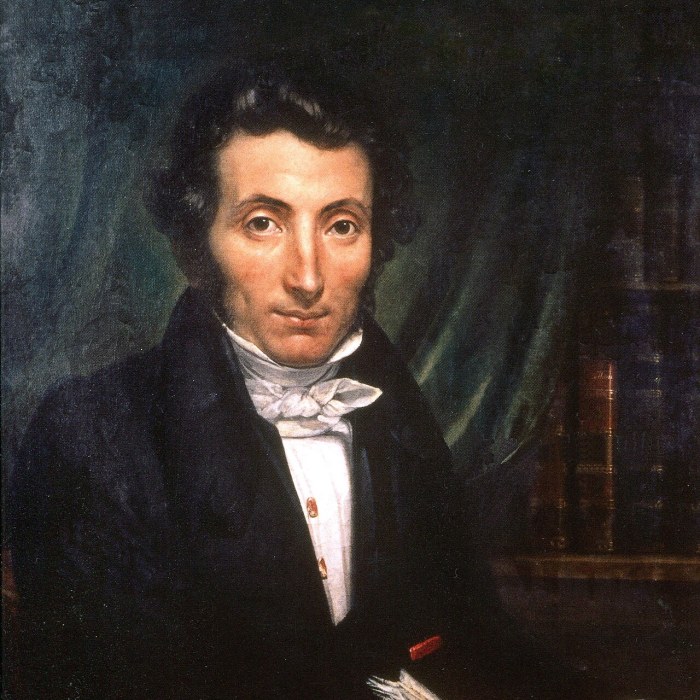
René Caillié
A poor, self-taught Frenchman who reached Timbuktu alone and lived to tell of it
René Caillié grew up poor in western France, orphaned young, with little formal education. A childhood reading of Robinson Crusoe left him fixated on travel and Africa in particular, and as a young man he worked his way to Senegal on whatever ships and jobs he could find, determined to reach the legendary city of Timbuktu, which no European explorer had visited and returned from alive.
Unlike earlier, better-funded British expeditions that had failed at heavy cost, Caillié planned to travel alone and unarmed, disguised as an Egyptian Muslim returning home from slavery in France, a story that required fluent Arabic and a working knowledge of Islamic practice, both of which he spent years teaching himself, including a stay with a Moorish community in Mauritania to perfect his disguise.
In 1827 he set out from the coast of Guinea with a small caravan, suffering severe illness including scurvy that nearly killed him along the way. He reached Timbuktu in April 1828 after roughly a year of travel, and found a city that had shrunk considerably from its legendary reputation as a place of fabulous wealth, a disappointment he recorded honestly rather than exaggerating for effect.
He crossed the Sahara north with a salt caravan afterward, enduring further hardship, and reached Morocco and eventually France, where the Société de Géographie awarded him a prize it had offered years earlier for exactly this feat. He published an account of the journey, but ill health from the years of travel never fully left him, and he died in France in 1838, not yet forty.