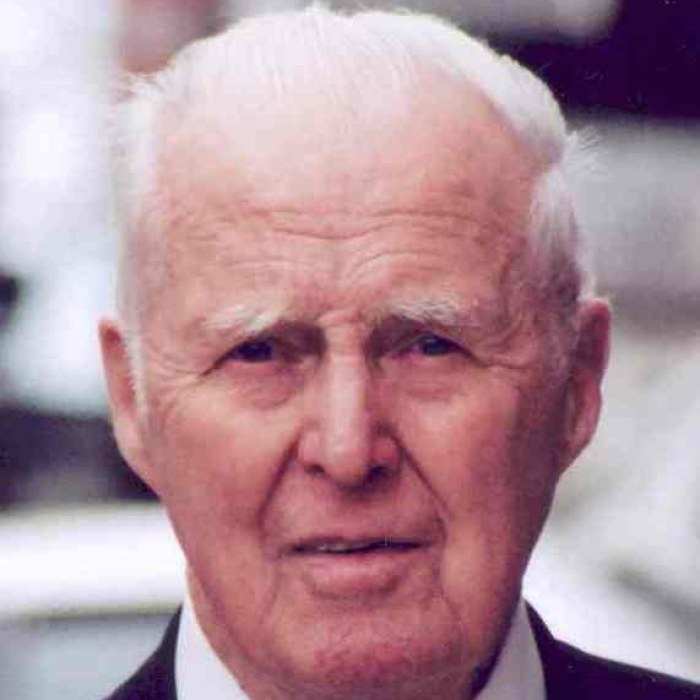
Norman Borlaug
An Iowa farm boy who bred wheat in Mexico and is credited with saving more lives than anyone alive
Norman Borlaug was born in 1914 on a farm near Cresco, Iowa, and went to a one-room school. He failed the entrance exam for the University of Minnesota and was admitted through a preparatory college, paying his way with odd jobs and competitive wrestling. In the Depression he saw hungry people fighting for food in Minneapolis, and he never forgot it. He took a doctorate in plant pathology in 1942 and went to work for DuPont.
In 1944 the Rockefeller Foundation sent him to Mexico to help farmers whose wheat was being destroyed by rust. The conditions were bad, the funding thin and his family stayed behind. He set about crossing thousands of wheat varieties by hand, and hit on the idea of growing two crops a year, one in the highlands and one in the north-west, so that breeding went twice as fast; agronomists told him it would not work. Later he bred in the short, stiff stems of a Japanese variety so that heavily fertilised plants did not collapse.
By 1956 Mexico grew all its own wheat. In the mid-1960s, with famine forecast for India and Pakistan, he pressed both governments to plant his seed, argued with officials and shipped tonnes of grain through a war. Harvests rose by more than half within three years.
He was awarded the Nobel Peace Prize in 1970. Critics pointed to the environmental costs of intensive farming, which he took seriously and argued with. He worked in Africa into his nineties and died in 2009.