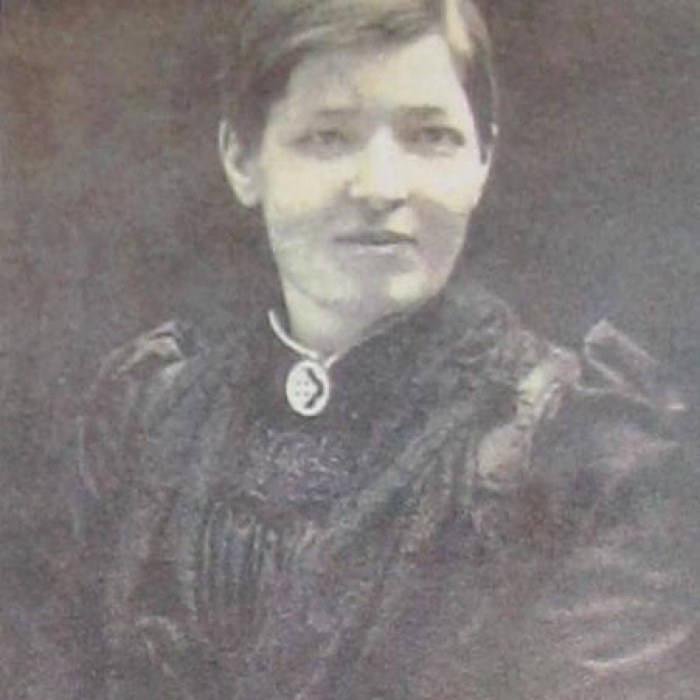
Mary Slessor
From the Dundee mills to the Nigerian forest, where she stopped the killing of twins
Mary Slessor grew up in Dundee, where her alcoholic father drank the family's money and she went into a jute mill at eleven, working half the day and studying the other half. She taught herself from books propped on the loom. Reading about David Livingstone gave her the idea of Africa, and after her father and brothers had died she applied to the United Presbyterian Church and sailed for Calabar in 1876.
Missionaries there lived apart from the people they preached to. Slessor wanted to go inland, to communities that had never seen a European, and after years of asking she was allowed to settle among the Okoyong in 1888. She ate what they ate, gave up hats and shoes, learned Efik well enough to joke in it, and lived in a mud house that was permanently full of children.
Many of them were twins. Local belief held that one twin was fathered by an evil spirit, so both were killed or left in the bush and the mother driven out. Slessor took in the babies and their mothers, argued with chiefs, and over years wore the practice down in the districts where she lived. She intervened in trials by ordeal and in disputes that would otherwise have ended in fighting.
In 1892 the colonial administration made her vice-consul, hearing cases in the native court. Malaria and dysentery repeatedly nearly killed her, and did in January 1915. Her face appeared for many years on the Clydesdale Bank ten-pound note.