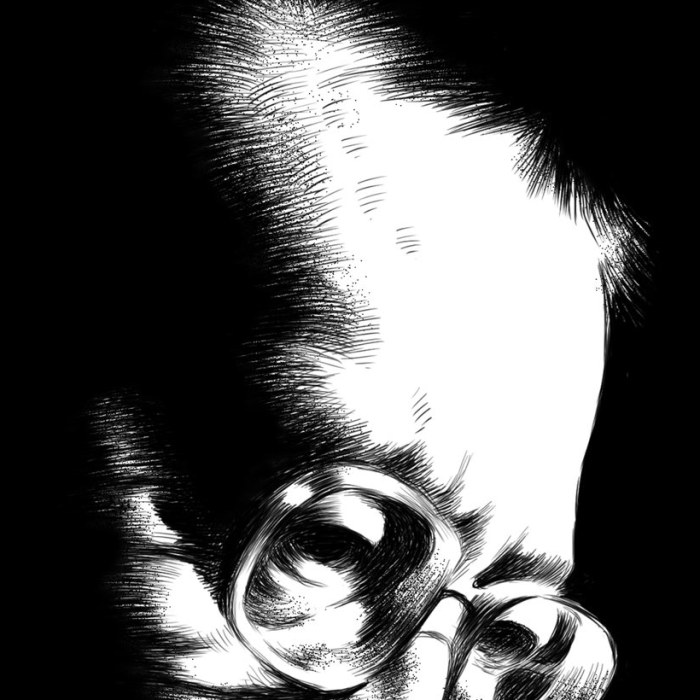
Liu Xiaobo
Talked students out of Tiananmen Square, then spent the rest of his life in and out of prison for his ideas
Liu Xiaobo was born in Changchun in 1955, spent part of his childhood in Inner Mongolia during the Cultural Revolution, and became a lecturer in literature at Beijing Normal University, known for ferocious criticism of the Chinese literary establishment. He was a visiting scholar at Columbia University in the spring of 1989 when the protests began in Tiananmen Square, and flew home to join them.
In the square he went on hunger strike with three friends. On the night of 3 to 4 June, with troops closing in, he and the others negotiated with army officers for the students remaining around the monument to be allowed to leave, which probably saved many lives. He was arrested two days later and held for 20 months without trial. He lost his job and his writing was banned in China, but he refused to go into exile. In 1996 he was sent to a labour camp for three years for calling for the rehabilitation of the 1989 movement.
In 2008 he was a principal author of Charter 08, a petition for a constitution, free elections and an independent judiciary. He was detained two days before it was published and in December 2009 sentenced to eleven years for "inciting subversion of state power". In his statement to the court he said he had no enemies.
He was awarded the Nobel Peace Prize in 2010, represented at the ceremony by an empty chair. He was diagnosed with liver cancer in prison and died under guard in July 2017. His wife, Liu Xia, was held under house arrest for years without charge.