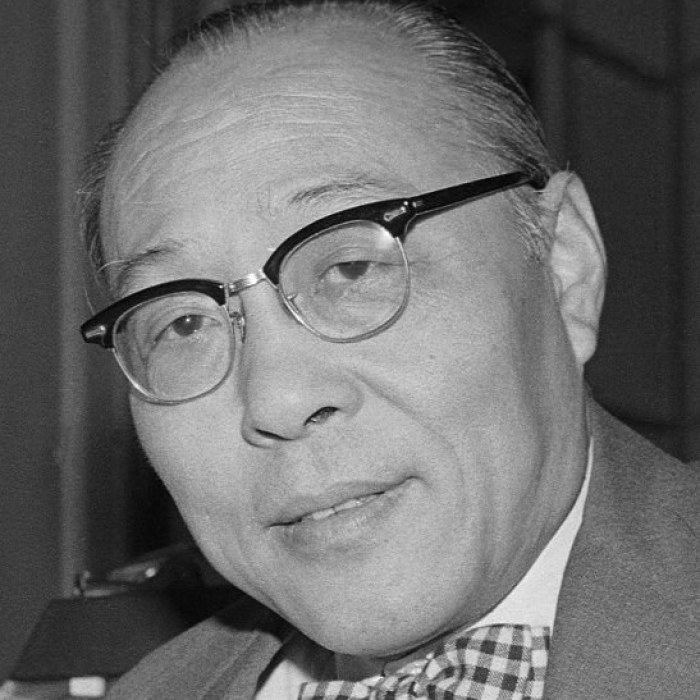
An Wang
Fled war-torn China with almost nothing and built one of the first word processing empires
An Wang was born near Shanghai in 1920, the son of an English teacher. He studied engineering in China during years of Japanese invasion and civil upheaval, then in 1945 was sent by the Chinese government to the United States for further training. When the political situation at home worsened, he stayed, arriving with barely enough money to get by and no family nearby to help.
He earned a doctorate in applied physics at Harvard and worked at the university's Computation Laboratory, where he invented a form of magnetic core memory used for years in computers worldwide. IBM eventually paid him a substantial licence fee for the patent, and in 1951 he used part of it to found Wang Laboratories in a small rented space in Boston, building calculators and office equipment on a shoestring.
The company struggled for years against bigger rivals before its 1964 electronic calculator and later word processing machines found a market among small businesses and typists who had never used a computer. By the late 1970s Wang Laboratories employed tens of thousands of people and An Wang was one of the richest men in America, known for promoting employees from the shop floor and for giving generously to Boston's hospitals and schools.
He struggled, late in life, with the decision of who should run the firm after him, and it declined sharply following his death in 1990. But his early machines had already changed how millions of people worked, and his rise from a penniless immigrant to an industrial pioneer remained his enduring story.