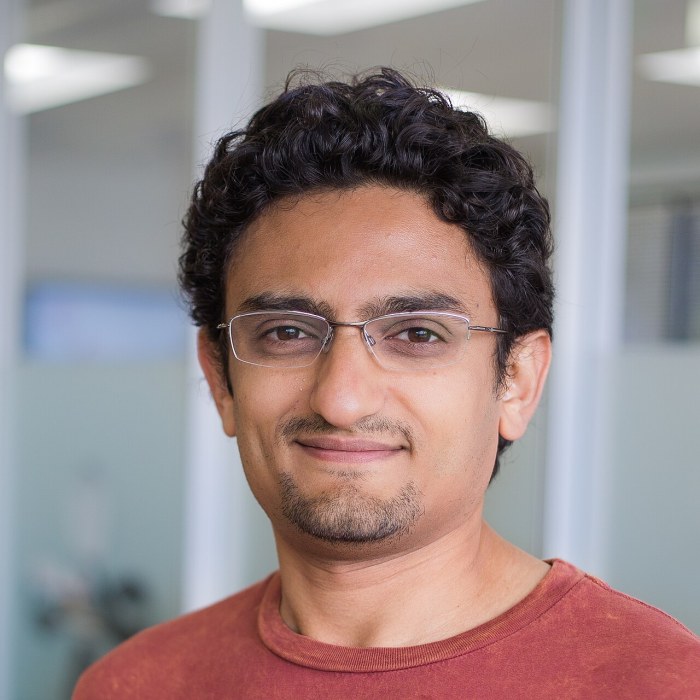
Wael Ghonim
An anonymous Facebook page he built helped bring down a government he never named himself in
Wael Ghonim trained as a computer engineer at Cairo University and built a career in web development and online marketing, eventually becoming Google's head of marketing for the Middle East and North Africa, based in Dubai. Technology, for him, was a job, not a cause, until June 2010.
That month, a young Egyptian named Khaled Said was beaten to death by police in Alexandria after photos of the beating circulated online. Ghonim anonymously created a Facebook page called We Are All Khaled Said, using his technical skills to keep his identity hidden while the page grew into one of the largest platforms for dissent in Egypt, organising the protests that began on 25 January 2011.
Egyptian security services identified him during the uprising and held him blindfolded for twelve days, not knowing at first that they had the anonymous administrator everyone in Tahrir Square was talking about. His release, and an emotional television interview in which he named the young people killed in the protests, turned him briefly into one of the most recognisable faces of the revolution, a role he was uneasy with and has since tried to complicate rather than claim credit for.
He later co-founded Parlio, a platform for civil online discussion, and has written and spoken about how the same networks that helped topple a government were just as easily turned by others into tools of polarisation and surveillance.