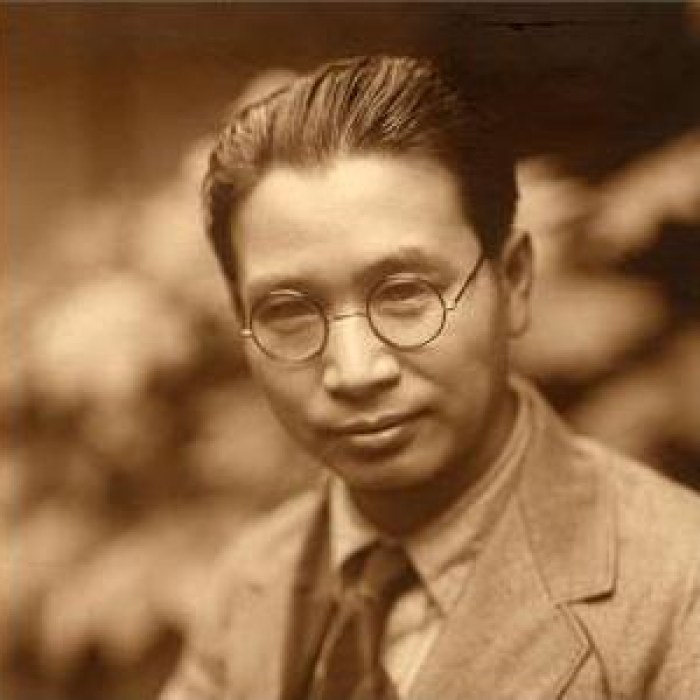
Toyohiko Kagawa
A slum missionary who built Japan's cooperative movement out of famine relief and factory strikes
Toyohiko Kagawa was born in Kobe, Japan, in 1888, the son of a politician and a geisha; both parents died before he was five, and he was raised by relatives who disowned him in his teens after he converted to Christianity against the family's wishes. Left largely without support, he moved into the Shinkawa slum district of Kobe in 1909 while still a student, living among the poorest residents rather than simply visiting to preach.
Kagawa spent years organising the people around him rather than only ministering to them: he helped found some of Japan's first modern labour unions in the 1910s and 1920s, took part in major strikes at shipyards and factories, and was jailed more than once for his role in labour disputes. He also studied economics in the United States, and applied what he learned to found consumer cooperatives, credit unions and cooperative insurance societies intended to give ordinary workers and farmers collective bargaining power over prices and credit that individual households could not get alone.
The cooperative structures he helped establish grew into major Japanese institutions, including forerunners of today's large consumer co-op federations and agricultural cooperatives, built on the principle of shared ownership and one-member-one-vote governance rather than shareholder control.
He also wrote widely read novels drawing on his slum years and campaigned against Japan's entry into war in the 1930s, a stance that brought him further arrests. He was nominated for the Nobel Peace Prize several times before his death in Tokyo in 1960.