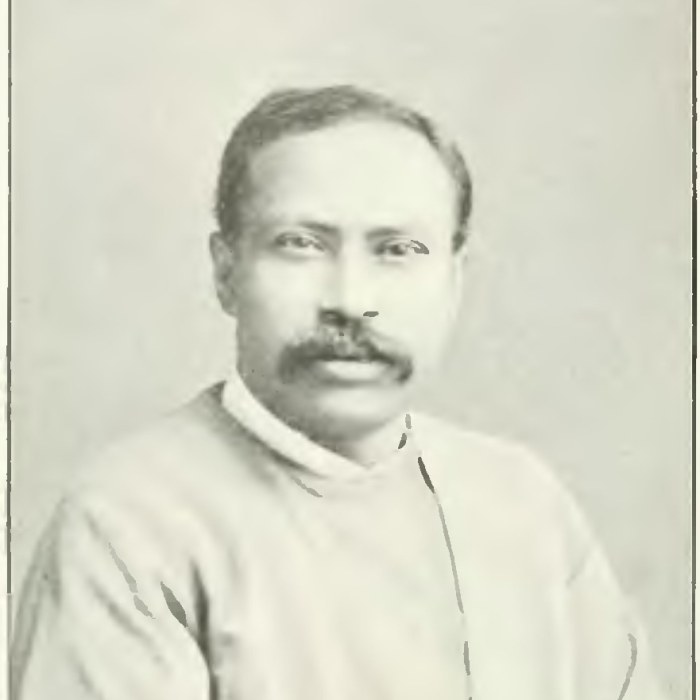
Sarat Chandra Das
A disguised Bengali scholar who mapped forbidden Tibet and inspired a character in Kim
Sarat Chandra Das taught at a school in Darjeeling and had already built a serious reputation as a scholar of Tibetan language and Buddhist texts when the British survey of India recruited him for something more dangerous than teaching. Tibet was closed to outsiders, and anyone caught helping a foreign power map it faced execution. Das travelled in the dress of a Buddhist pilgrim, carrying a compass hidden in a prayer wheel and notes recorded on the beads of a rosary, exactly as the trained Indian surveyors known as pundits were doing elsewhere along the Himalayan frontier.
On his two journeys, in 1879 and 1881 to 1882, he reached Lhasa and Tashilhunpo monastery, met the Panchen Lama, and returned with manuscripts, maps and detailed observations that filled real gaps in British knowledge of the region. The cost fell on people who had helped him. When his activities were later discovered, several Tibetan officials who had sheltered him were punished, and one reportedly died in prison, a fact Das lived with for the rest of his life.
He became a respected authority on Tibetan Buddhism, compiled an influential Tibetan-English dictionary, and unintentionally became famous outside academic circles when Rudyard Kipling based the exuberant secret agent Hurree Babu in Kim partly on him.