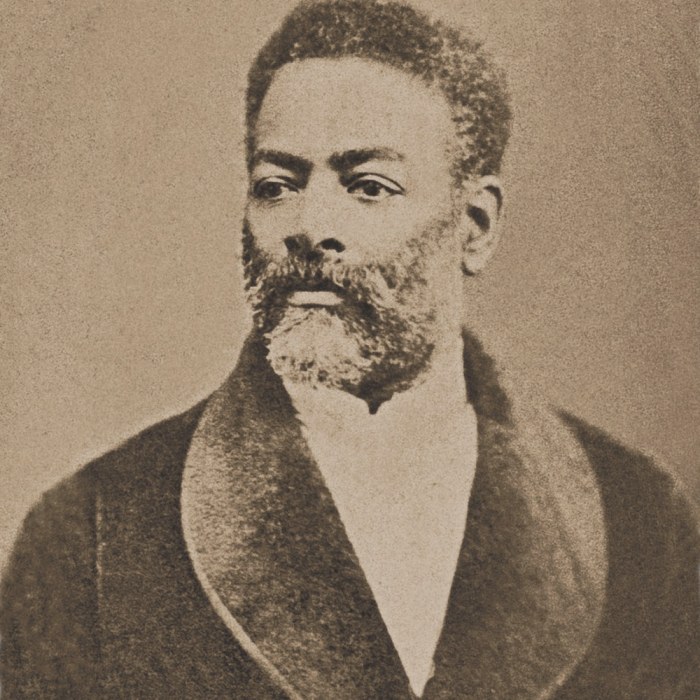
Luís Gama
Sold into slavery by his own father at ten, he freed himself and then hundreds of others through the courts
Luís Gonzaga Pinto da Gama was born in Salvador, the son of a free African woman named Luísa Mahin and a Portuguese nobleman who had fallen on hard times. When Luís was ten his father sold him to pay gambling debts, an illegal act since the boy had been born free. He was shipped south and eventually kept in the household of a merchant in São Paulo, where a young law student boarding with the family taught him to read and write when he was seventeen.
At eighteen he gathered evidence of his free birth and walked out. He served in the militia, then worked as a clerk in the police and the public prosecutor's office, reading law as he went. He was never allowed to enrol at the law faculty, but Brazilian courts permitted men without degrees to plead, and he became a formidable one. His satirical poems mocking the pretensions of São Paulo's slave-owning elite were published in 1859 and made him both famous and hated.
His method was to use the law against the system it protected. A law of 1831 had banned the importation of slaves into Brazil; it had been ignored for decades, but it had never been repealed. Gama argued that every African brought in after that date, and their descendants, was legally free, and he took case after case on that basis, often without a fee. By his own count he won freedom for more than 500 people. Judges who ruled against him were pursued in his newspaper columns.
He died of diabetes in 1882, six years before abolition. Thousands followed his coffin through the streets of São Paulo.