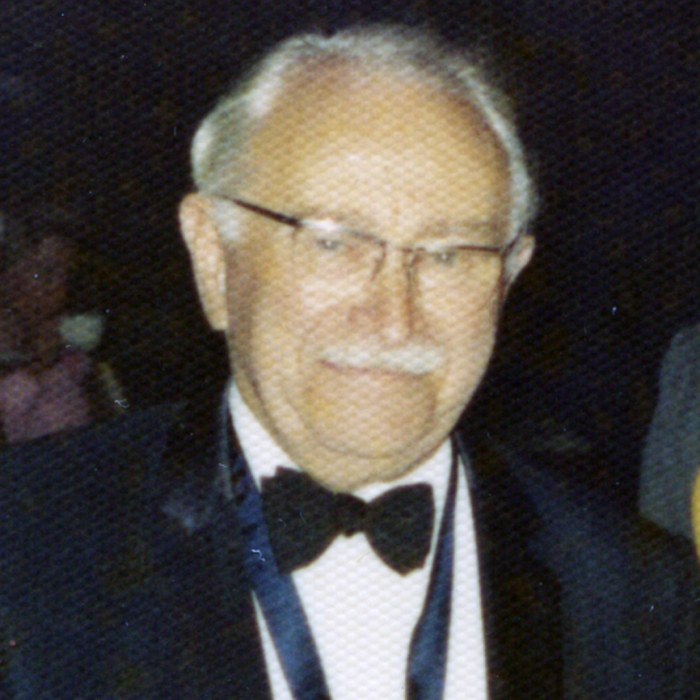
Ludwig Guttmann
A refugee surgeon who refused to let paralysed soldiers die and invented the Paralympics
Ludwig Guttmann was born in 1899 in Upper Silesia and trained as a neurosurgeon in Breslau, where he became one of the leading men in his field. As a Jew he was barred from state hospitals after 1933 and worked at the Jewish hospital in the city. On the night of the Kristallnacht pogrom in November 1938 he ordered that anyone who came to the door be admitted, and the next day argued each case with the Gestapo; most of the men he had taken in were saved from arrest.
He fled to England in 1939 with his wife and children and spent several frustrating years doing research in Oxford. In 1944 the government asked him to open a spinal injuries unit at Stoke Mandeville Hospital to receive the paralysed casualties expected from the invasion of Europe. Such patients were usually left in bed, sedated, until pressure sores and infections killed them, generally within a couple of years.
Guttmann threw that out. Patients were turned every two hours, day and night, to prevent sores, which meant he was often on the ward at three in the morning himself. They were expected to sit up, dress, work and take part in sport. Some hated him, but they lived.
On 29 July 1948, the day the London Olympics opened, he held an archery competition for sixteen wheelchair patients on the hospital lawn. It grew into the Stoke Mandeville Games and in 1960, in Rome, the first Paralympics. He was knighted in 1966 and died in 1980.