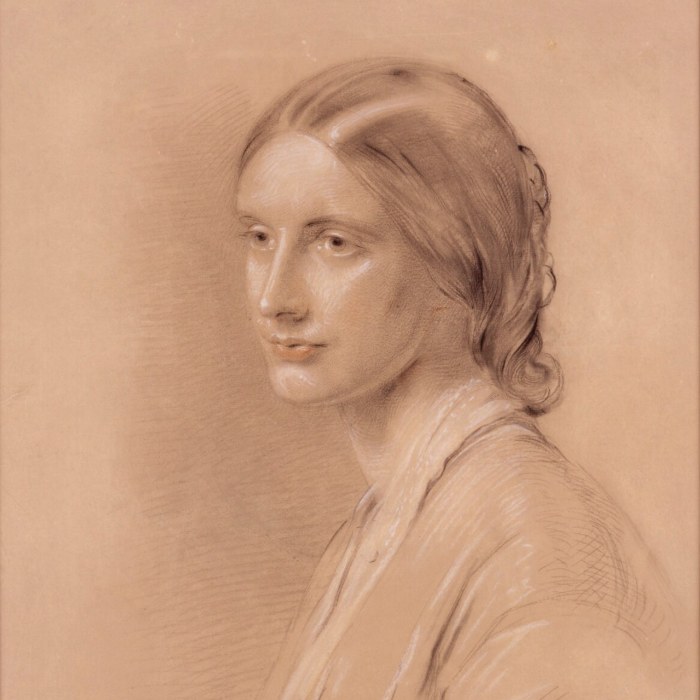
Josephine Butler
Spent sixteen years fighting laws that let police detain any woman they suspected of prostitution
Josephine Grey grew up in Northumberland, the daughter of a wealthy agricultural reformer and abolitionist, and married George Butler, a clergyman and schoolmaster who shared her views. In 1864 their six-year-old daughter Eva fell over the banisters in front of her and died. Butler later wrote that she became possessed by a desire to find "some pain keener than my own".
She found it in Liverpool, where George had taken a post. She began visiting the women in the workhouse oakum sheds and took dying prostitutes into her own home. In 1869 she agreed to lead the campaign against the Contagious Diseases Acts, which allowed police in garrison towns to detain any woman they suspected of prostitution and subject her to a forced medical examination, while the men who paid for sex went untouched. Respectable women were not supposed to know such laws existed, let alone discuss them in public. Butler was pelted with mud and dung, had meeting halls set on fire, and was once hidden in a hotel while a mob searched for her.
The campaign took sixteen years. The acts were suspended in 1883 and repealed in 1886. She then turned to the trafficking of English girls to Belgian brothels and helped push through the 1885 law that raised the age of consent from 13 to 16.
George died in 1890. She kept writing and campaigning into her seventies, and died in 1906.