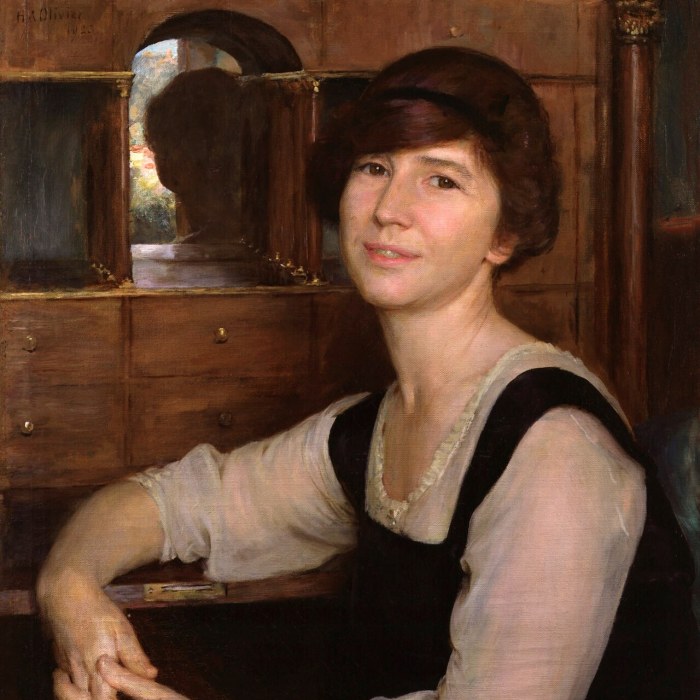
Freya Stark
Taught herself Arabic in her thirties and walked alone into corners of the Middle East no Westerner had mapped
Freya Stark was born in Paris to English parents who painted and quarrelled, and grew up mostly in Italy. At thirteen her hair caught in a machine at a factory in Dronero and tore off part of her scalp, leaving her disfigured; she wore hats over the scars for life. She read voraciously, studied at Bedford College in London, nursed on the Italian front in the First World War and then spent much of her twenties on a farm near Asolo, ill and caring for her mother, with little money and a fiancé who left her.
At thirty she began learning Arabic from a monk in San Remo, for no reason she could quite explain. In 1927, aged 34, she went to Lebanon and then to Baghdad, where she lodged with a shoemaker's family rather than among the British, and learned the streets. In 1930 and 1931 she made journeys into Luristan and the Elburz mountains of Persia, travelling on mule with a guide, searching for the castles of the medieval Assassins, mapping valleys that were blank on the maps. The Royal Geographical Society gave her a medal for it.
She travelled through the Hadhramaut in southern Arabia, nearly died of measles and dysentery there, and during the Second World War worked for the British in Aden, Cairo and Baghdad organising support against the Nazis. She was honest, later, about the imperial assumptions she had shared.
She published more than two dozen books and was still riding through eastern Turkey in her seventies. She died in Asolo in 1993, aged 100.