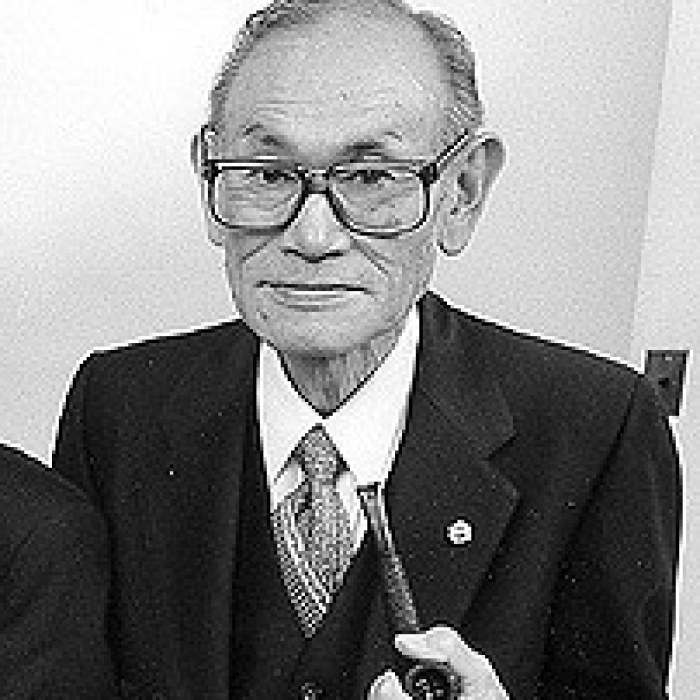
Fred Korematsu
Refused to report for internment in 1942 and spent forty years clearing his name
Fred Korematsu was born in Oakland, California, to Japanese immigrant parents who ran a flower nursery. He was rejected by the army on medical grounds and was working as a shipyard welder when, in early 1942, the government ordered all people of Japanese ancestry on the West Coast, citizens included, to report for removal to camps. His family went. He stayed, had minor surgery on his eyelids in a failed attempt to look less Japanese, changed his name and tried to remain with his Italian-American girlfriend. He was arrested on a street corner in May.
A lawyer from the American Civil Liberties Union asked whether he would be a test case. He agreed, was convicted, and was sent to the camp at Topaz, Utah, where most of the other internees kept their distance from him, fearing that his defiance would make things worse for everyone. In December 1944 the Supreme Court upheld his conviction six to three, accepting the government's claim of military necessity.
He spent the following decades quietly, as a draughtsman, rarely speaking about the case even to his children. In 1983 a legal historian found documents showing that government lawyers had hidden intelligence reports concluding that Japanese Americans posed no threat. A federal judge in San Francisco vacated his conviction that November, though the Supreme Court ruling itself stood.
In 1988 Congress apologised and paid reparations. He received the Presidential Medal of Freedom in 1998, and after the attacks of 2001 filed briefs on behalf of Muslim detainees, warning that the same arguments were being made again. He died in 2005.