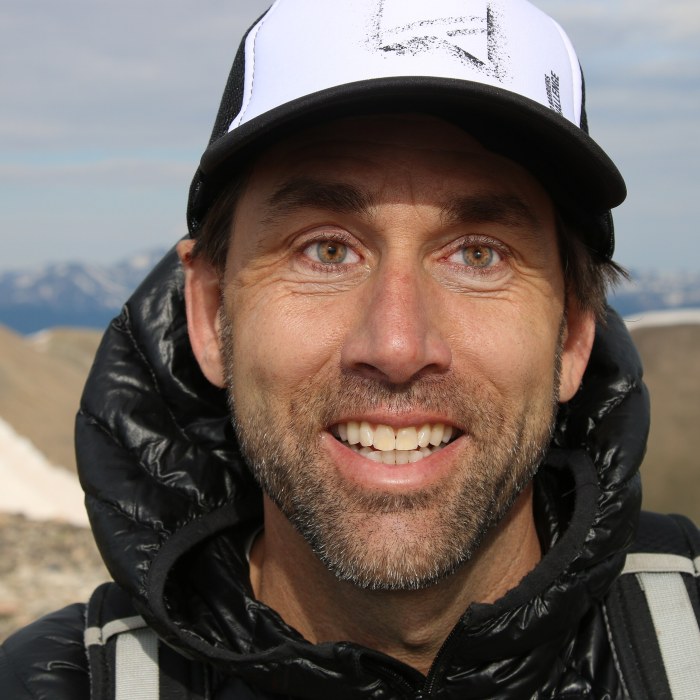
Erik Weihenmayer
Lost his sight as a teenager, then became the first blind person to stand on top of Everest
Erik Weihenmayer began losing his vision in childhood to retinoschisis, a genetic condition that left him completely blind by the age of thirteen. Rather than treat climbing as something now closed to him, he took it up specifically as a way of proving to himself that his blindness had not fixed the limits of what he could do, learning to read rock and snow through his hands, feet and the sound of a small bell attached to the climber ahead of him.
He built his mountaineering ability gradually over years, climbing progressively harder peaks and developing techniques with his climbing partners for communicating terrain, obstacles and route-finding without sight, work that required an unusual level of trust and precise verbal description from everyone climbing with him. Critics in the mountaineering world were openly sceptical that a blind climber could safely attempt an 8,000-metre peak, let alone the highest of them.
In May 2001 he reached the summit of Mount Everest as part of a team that included several sighted climbers who had trained specifically to guide him through the mountain's most dangerous sections, including the crevasse-riddled Khumbu Icefall. The achievement briefly made international news, along with some pointed criticism from climbers who felt his ascent had endangered his sighted teammates, a debate about extreme sport and disability that Weihenmayer engaged with directly rather than avoiding.
He went on to complete the Seven Summits, becoming the first blind person to do so, and later kayaked the full length of the Colorado River's rapids through the Grand Canyon. He now runs a foundation supporting adventure sport for people with disabilities.