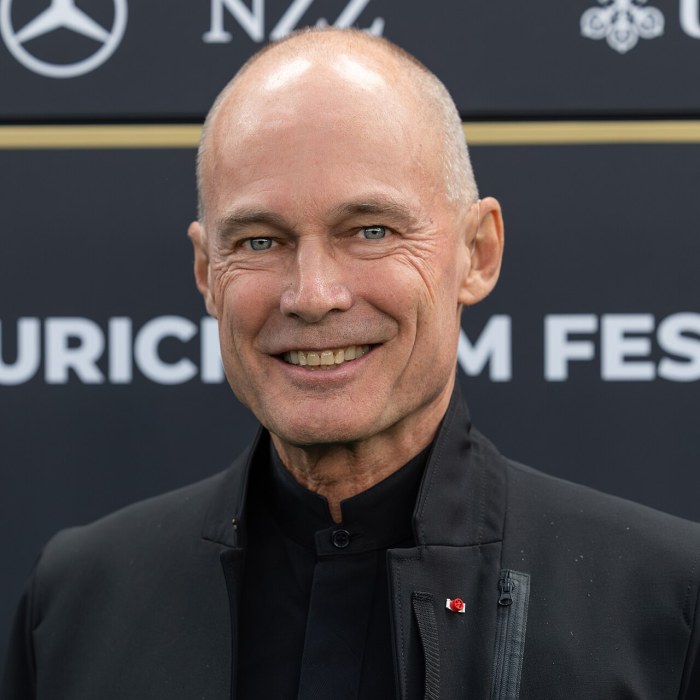
Bertrand Piccard
Flew a balloon and then a solar plane around the world, continuing a family habit of extremes
Bertrand Piccard grew up the grandson of the stratosphere balloonist Auguste Piccard and the son of Jacques Piccard, who piloted the deep-sea dive to the bottom of the Mariana Trench, a family weight of expectation he has said he felt keenly. He trained and worked as a psychiatrist before turning increasingly to ballooning, drawn less to setting records for their own sake than to using extreme journeys to make a point about what human ingenuity, applied carefully, could achieve.
His first major attempt at a round-the-world balloon flight failed, as did several others by rival teams over the 1990s, a run of expensive failures that made the challenge notorious among the ballooning world. In March 1999, flying the Breitling Orbiter 3 with British co-pilot Brian Jones, Piccard finally completed the first nonstop circumnavigation of the globe by balloon, a flight of nearly twenty days that ran perilously low on fuel and required careful negotiation of airspace over countries reluctant to allow the flight through, including a tense standoff over China.
Rather than stop there, Piccard spent the following decade developing a far stranger idea: an aircraft that could fly around the world using only solar power, storing enough energy in batteries during the day to keep flying through the night. Solar Impulse 2, which he co-piloted in alternating legs with engineer André Borschberg, completed this circumnavigation between 2015 and 2016, including a gruelling multi-day solo leg across the Pacific with no possibility of rescue if anything failed.
He has continued to advocate for clean technology and sustainable innovation since, arguing that his flights were demonstrations of what was possible rather than stunts for their own sake.