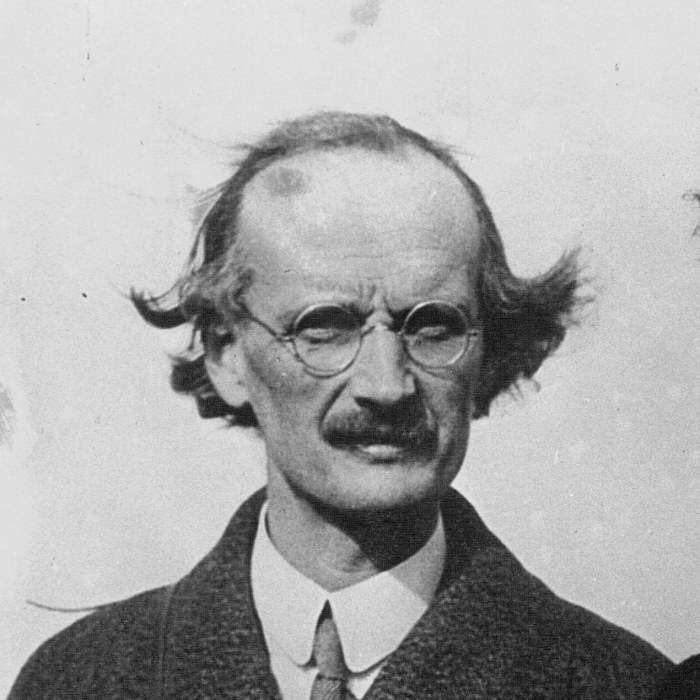
Auguste Piccard
Built the balloon that reached the stratosphere, then the submarine that reached the ocean floor
Auguste Piccard was a physics professor in Brussels whose research interest in cosmic rays required getting instruments, and eventually himself, higher into the atmosphere than any aircraft of the 1920s could safely reach. Existing high-altitude balloon flights were dangerous because pilots had to breathe increasingly thin, freezing air in open baskets. Piccard's solution was to design a spherical, pressurised aluminium capsule that could keep its occupants alive at breathable pressure regardless of the altitude outside.
In 1931 he and an assistant flew this capsule to just over fifteen kilometres, becoming the first humans confirmed to reach the stratosphere, and repeated the feat the following year at greater altitude, work that also produced genuine scientific data on cosmic radiation. The flights were not without danger; on the first ascent a small leak in the capsule and a jammed valve nearly proved fatal before Piccard managed to fix the problem himself at altitude.
He then turned the same basic idea upside down, reasoning that a sealed, pressure-resistant cabin attached to a buoyant hull of petrol, which is lighter than water and does not compress the way air in a balloon would, could carry people safely to the deep ocean much as his balloon capsule had carried them to the stratosphere. This became the bathyscaphe, first tested in the 1940s and refined through the 1950s.
He did not himself pilot the record dives his invention eventually made possible; that fell to his son Jacques, who used an improved Piccard-designed bathyscaphe, the Trieste, to reach the deepest point of the ocean in 1960, two years before Auguste Piccard's death in Switzerland in 1962.