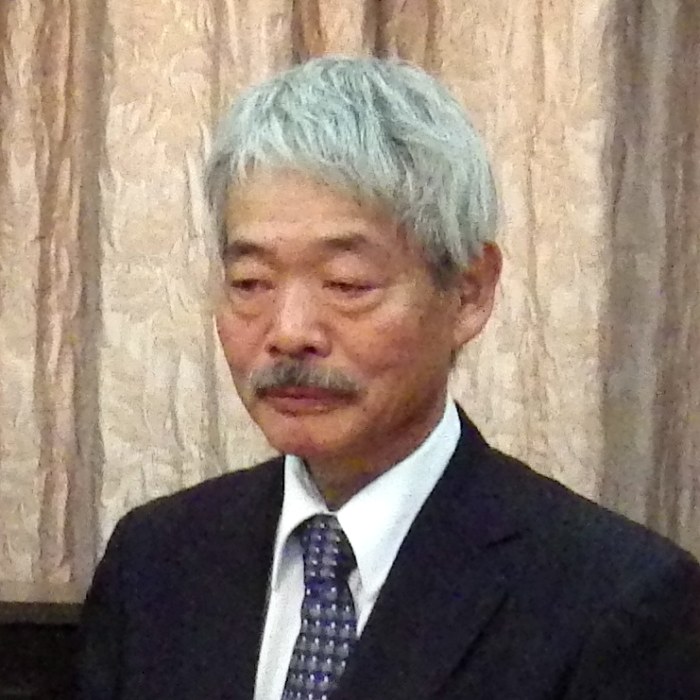
Tetsu Nakamura
A Japanese doctor who decided Afghanistan needed water more than medicine and dug a canal
Tetsu Nakamura grew up in Fukuoka, in a family with literary connections and left-wing sympathies, and became a doctor partly because he loved insects and wanted to travel to mountains where he could collect them. A trip to the Hindu Kush in 1978 did that. In 1984 he was sent by a Japanese Christian group to a leprosy hospital in Peshawar, Pakistan, and stayed to build a clinic there and then others across the border in Afghanistan, in villages that had never seen a doctor.
In 2000 a drought struck eastern Afghanistan, and Nakamura found himself treating children with dysentery and malnutrition who would die whatever he prescribed, because there was no clean water and no food. He concluded that a doctor was the wrong thing to be. With his organisation, the Peshawar-kai, he began digging wells, eventually some 1,600 of them.
Then he decided to bring the Kunar River to the dying fields of Nangarhar. He had no engineering training. He studied irrigation works built in his native Kyushu two centuries earlier, using stone weirs and wicker baskets of rock that local farmers could maintain without machinery, and adapted them. Work began in 2003 with thousands of villagers paid by the day. The Marwarid canal, some 25 kilometres long, was finished in 2010 and turned around 16,000 hectares of desert back into farmland, feeding an estimated 600,000 people.
Afghanistan gave him honorary citizenship in 2019. That December he was shot dead with five Afghan colleagues in an ambush in Jalalabad. Nobody claimed responsibility.