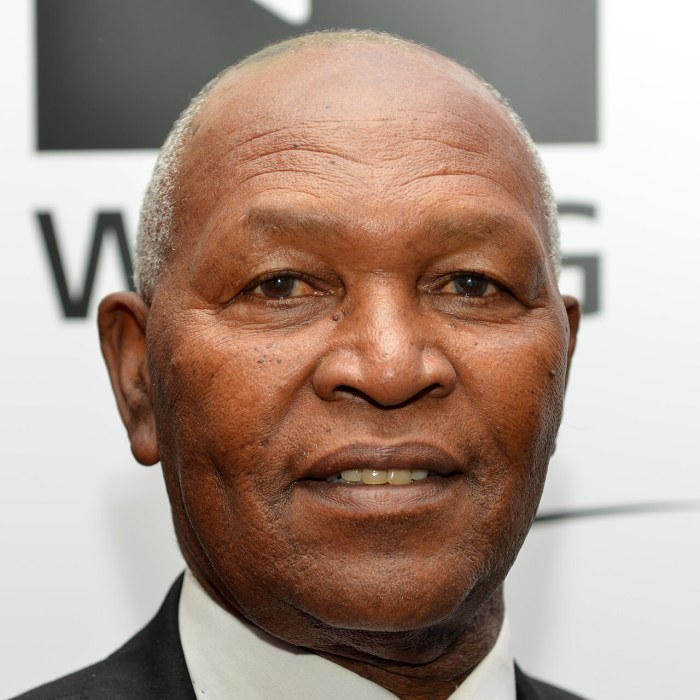
Kip Keino
Ran through crippling gallstones to win Olympic gold, then built a home for orphans
Kipchoge Keino was born in Kipsamo in Kenya's Rift Valley. His mother died when he was three, and he was raised by an aunt while working as a policeman's herd boy, running miles across the high-altitude hill country that would later make Kenyan distance runners famous. He came to running late by modern standards, training around shifts as a physical education instructor in the police force.
At the 1968 Mexico City Olympics he arrived as a genuine medal contender, but during the games he was struck by severe gallstone pain. Doctors told him plainly not to run the 1500 metres final. He nearly did not make it to the stadium at all, stuck in traffic on the way and forced to jog the last stretch just to reach the start line. He then ran away from the field to beat the world record holder Jim Ryun by a huge margin and set an Olympic record that stood for years, becoming Kenya's first Olympic gold medallist and an instant national hero.
He won more Olympic medals in Munich in 1972, including gold in the steeplechase despite having barely trained for it, and remained one of the dominant middle-distance runners of his era through a rivalry with Ryun that defined the sport.
In 1973 he and his wife Phyllis turned a farm they had bought in Eldoret into a home for orphaned and abandoned children, having lived through the loss of his own parents. Over the following decades they raised more than a hundred children alongside their own, and he later became president of Kenya's Olympic committee, remembered as much for that work as for his running.