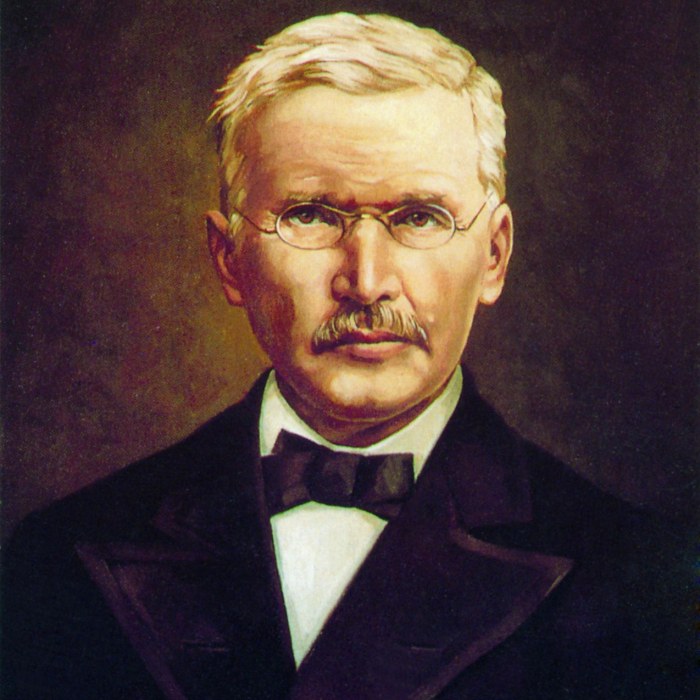
Friedrich Wilhelm Raiffeisen
A small-town German mayor who invented the credit union to save farmers from moneylenders
Friedrich Wilhelm Raiffeisen was born in 1818 in Hamm, a village in the Westerwald region of Germany, the son of a mayor. Poor eyesight ended a planned military career, and he moved into civil administration instead, becoming mayor of several small Rhineland towns from his mid-twenties.
A severe famine in the winter of 1846 to 1847 struck the region hard, and Raiffeisen watched local farmers, unable to get affordable credit from banks that considered them poor risks, turn instead to moneylenders charging crushing rates of interest, often losing their land and livestock as a result. His first response was a charitable bread and seed-purchase association funded by wealthier local donors, but he came to feel that charity dependent on the goodwill of patrons was fragile and, in his view, undignified for recipients.
From the 1860s he developed instead a model of cooperative credit societies owned and governed by the farmers themselves, who pooled small savings and took on unlimited joint liability for loans made from the common fund, encouraging careful, community-vetted lending rather than absentee bank lending or predatory rates. The first proper Raiffeisen bank was founded in Heddesdorf in 1864, and the model spread rapidly across rural Germany and then abroad.
Raiffeisen's cooperative credit structure became a direct ancestor of the modern credit union movement, adopted and adapted in dozens of countries. He continued organising and writing about the system until his death in 1888; cooperative banks bearing his name still operate today across several European countries.