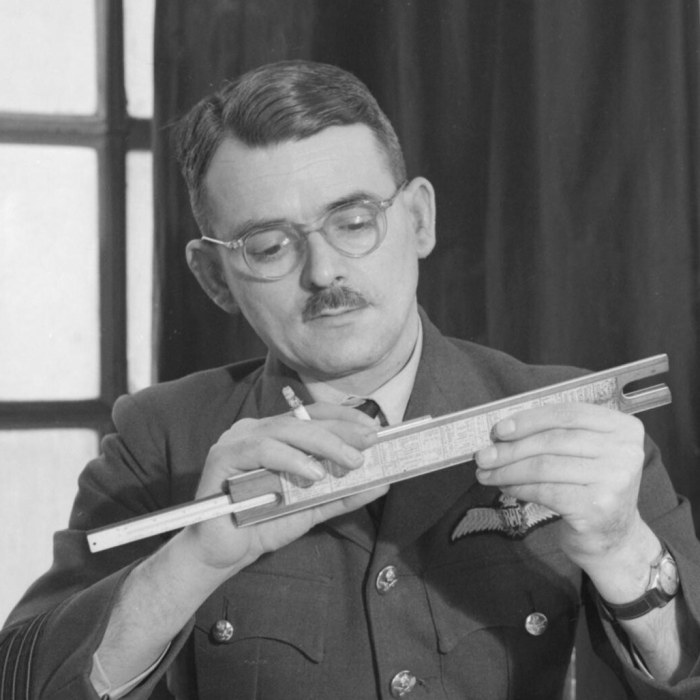
Frank Whittle
Let his jet engine patent lapse because he could not afford the fee, then made it fly anyway
Frank Whittle was the son of a Coventry mechanic and left school at 15 to join the RAF as an apprentice. He was rejected at the medical for being five feet tall with a small chest. He put himself on a diet and exercise programme, reapplied under a different name at another recruiting office and got in. He was so good that he was selected for officer training at Cranwell, where in 1928 he wrote a thesis arguing that to fly fast and high aircraft would need a different kind of engine.
By 1929 he had worked out the gas turbine: compress air, burn fuel in it, drive the compressor from the exhaust and use the rest as thrust. The Air Ministry told him it was impractical. He patented it in 1930, and when the renewal fee of five pounds fell due in 1935 he could not afford it and let it lapse.
Two former RAF friends found backers, and in 1936 Power Jets was formed with a few thousand pounds. The first engine ran on 12 April 1937 in a workshop in Rugby and terrified everyone by racing out of control. On 15 May 1941 a small Gloster aircraft powered by his engine flew for 17 minutes. Whittle was by then living on Benzedrine and sleeping pills, and suffered a breakdown.
The government took over his company in 1944. He was knighted in 1948 and awarded 100,000 pounds, and later moved to the United States.