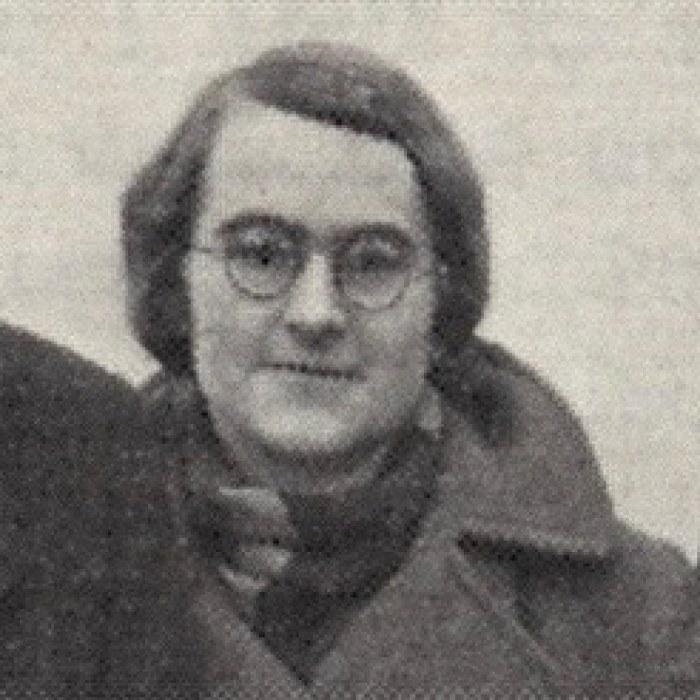
Beatrice Shilling
The motorcycle racer whose small brass fitting stopped Spitfires stalling in combat
Beatrice Shilling grew up in Hampshire, the daughter of a butcher, and bought her first motorcycle at 14. At 17 she was apprenticed to Margaret Partridge, a pioneering woman electrical engineer who installed generating plants in Devon villages. Partridge pushed her to take a degree, and she graduated in electrical engineering from Manchester in 1932, then took a master's in mechanical engineering.
She raced motorcycles seriously. In 1934 she lapped the Brooklands circuit at 106 miles an hour on a Norton she had tuned herself, one of only a handful of women awarded the track's Gold Star. She later said she agreed to marry her husband, a fellow engineer, only after he had earned a Gold Star too.
In 1936 she joined the Royal Aircraft Establishment at Farnborough. During the Battle of Britain, pilots of Spitfires and Hurricanes found that when they pushed the nose down sharply to chase a German aircraft, the Rolls-Royce Merlin engine cut out. The negative g flooded the carburettor. The Messerschmitts had fuel injection and did not suffer. Shilling designed a small brass restrictor, a disc with a hole in it, that fitted into the fuel line and limited the surge. It was cheap, quick to fit, and she and her team went round the fighter stations installing it in early 1941. Pilots called it Miss Shilling's orifice.
She stayed at Farnborough until 1969, worked on rockets and the Blue Streak missile, and raced cars in retirement.