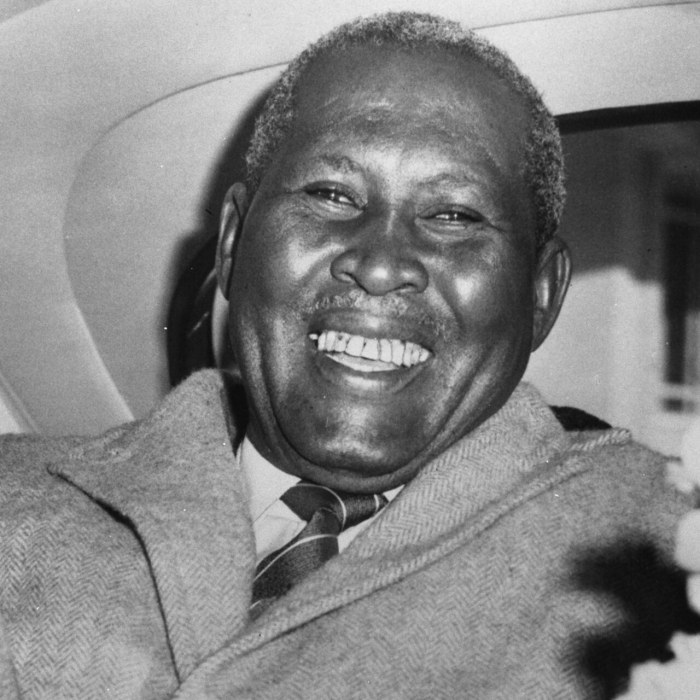
Albert Luthuli
A Zulu chief who chose the ANC over his chieftaincy and became Africa's first Nobel Peace laureate
Albert John Mvumbi Luthuli was born in Rhodesia, where his father worked as an interpreter for missionaries, and grew up at Groutville in Natal after his father died. He trained as a teacher and spent fifteen years at Adams College, a mission school near Durban, teaching and running the choir. In 1936 the people of Groutville asked him to become their chief, an elected post, and he gave up his salary to take it, settling disputes and pleading for land for a community that was being squeezed onto less and less of it.
He joined the African National Congress only in 1944, at 46, and was a cautious, churchgoing recruit. The Defiance Campaign of 1952 changed that. When he backed it, the government told him to resign either from the ANC or from his chieftaincy. He refused to do either and was stripped of the chieftaincy in November. A month later the ANC elected him president-general.
He held the post for the rest of his life, mostly under banning orders that confined him to Groutville and forbade him from meetings. He was among the 156 arrested in the 1956 Treason Trial. After the Sharpeville massacre in 1960 he publicly burned his pass, and the ANC was outlawed. His commitment to non-violence became strained as younger colleagues turned to armed struggle.
He was awarded the 1960 Nobel Peace Prize and allowed out briefly to collect it. In 1967 he was struck by a train while walking on a railway bridge near his home. Many never accepted the official account of an accident.